I spent my Professional Experience in a relatively small public school. I had taught guitar at a school in Sydney before, but it was my first time stepping into an Australian school as a classroom teacher. I had also taught classes at university, but teaching at a school comes with a lot of additional responsibilities. As a prac teacher, however, you can be thankful that you are in the safe hands of a supervisor who facilitates many things for you, especially if you are lucky enough, like me, to have the most amazing supervisor. I am not going to mention any names here. I simply want to reflect on my experience, what I learned, what challenges I faced, and what I am going to carry with me to my next prac.
Firstly, unfamiliarity can be a big challenge: Unfamiliarity with the specific school and its culture, the staff, the students, the spaces, and the topics. It takes a while to get to know what is what and who is who. I appreciate that I got to spend the first week observing various classes and events and taking notes of important things I needed to know. These new things included many acronyms I was not familiar with, given that I did not attend school in Australia. For example, TEP (Talent Enrichment Program), NATA (the National Association of Testing Authorities), CAPA (Creative and Performing Arts), and the like. Then there were things I needed to learn about the periods (in my case, periods would start at odd times like 11:04 or thereabouts), different schedules in different weeks (Weeks A and B in the case of my school), names of buildings, locations of bathrooms, playground duty areas, canteen operating hours, school and staffroom politics, etc.
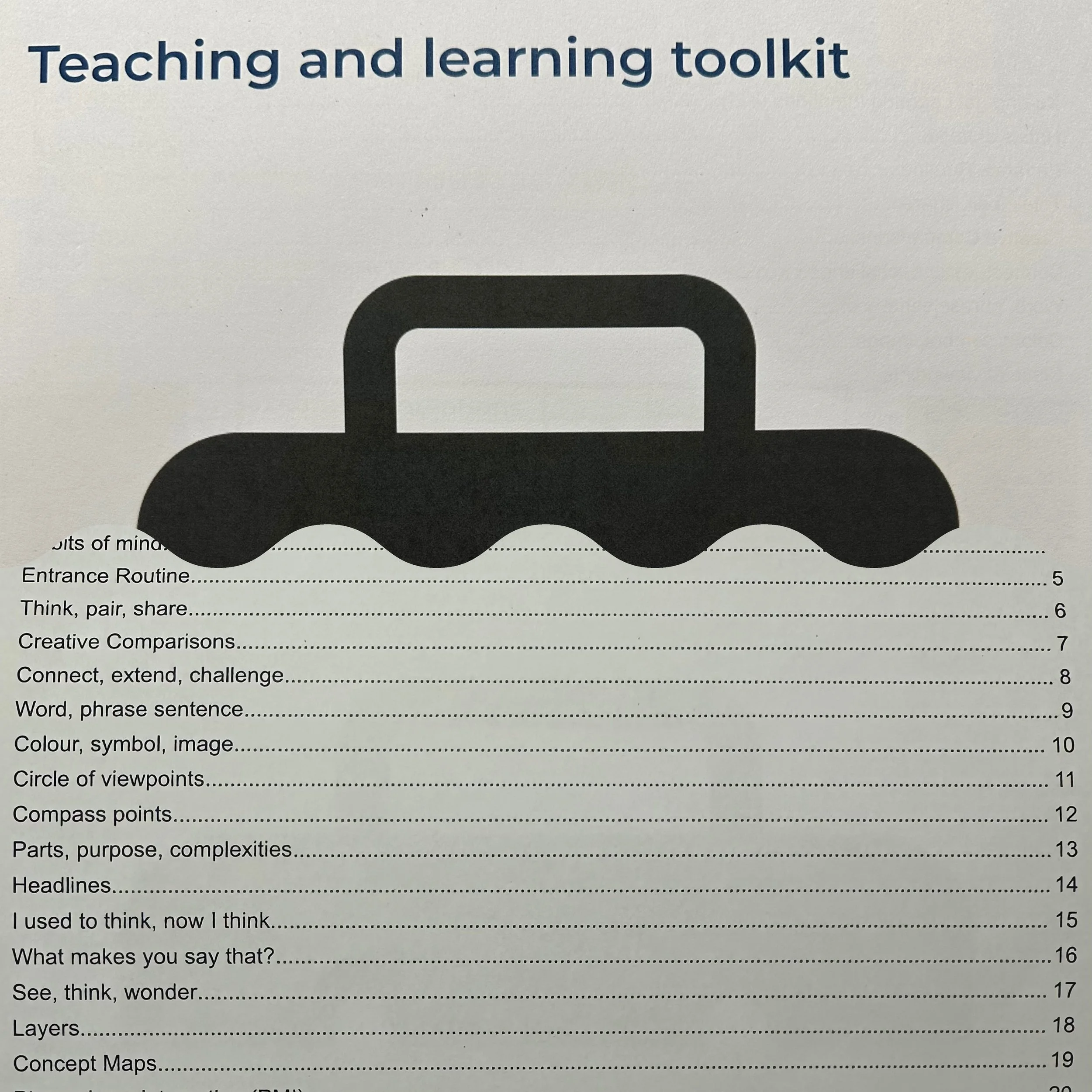
Thankfully, in addition to having a supportive supervisor and an incredible Head of Creative Arts, there were useful school resources, including a Teaching and Learning Toolkit, with plenty of useful information and ideas to help me get ready to start:
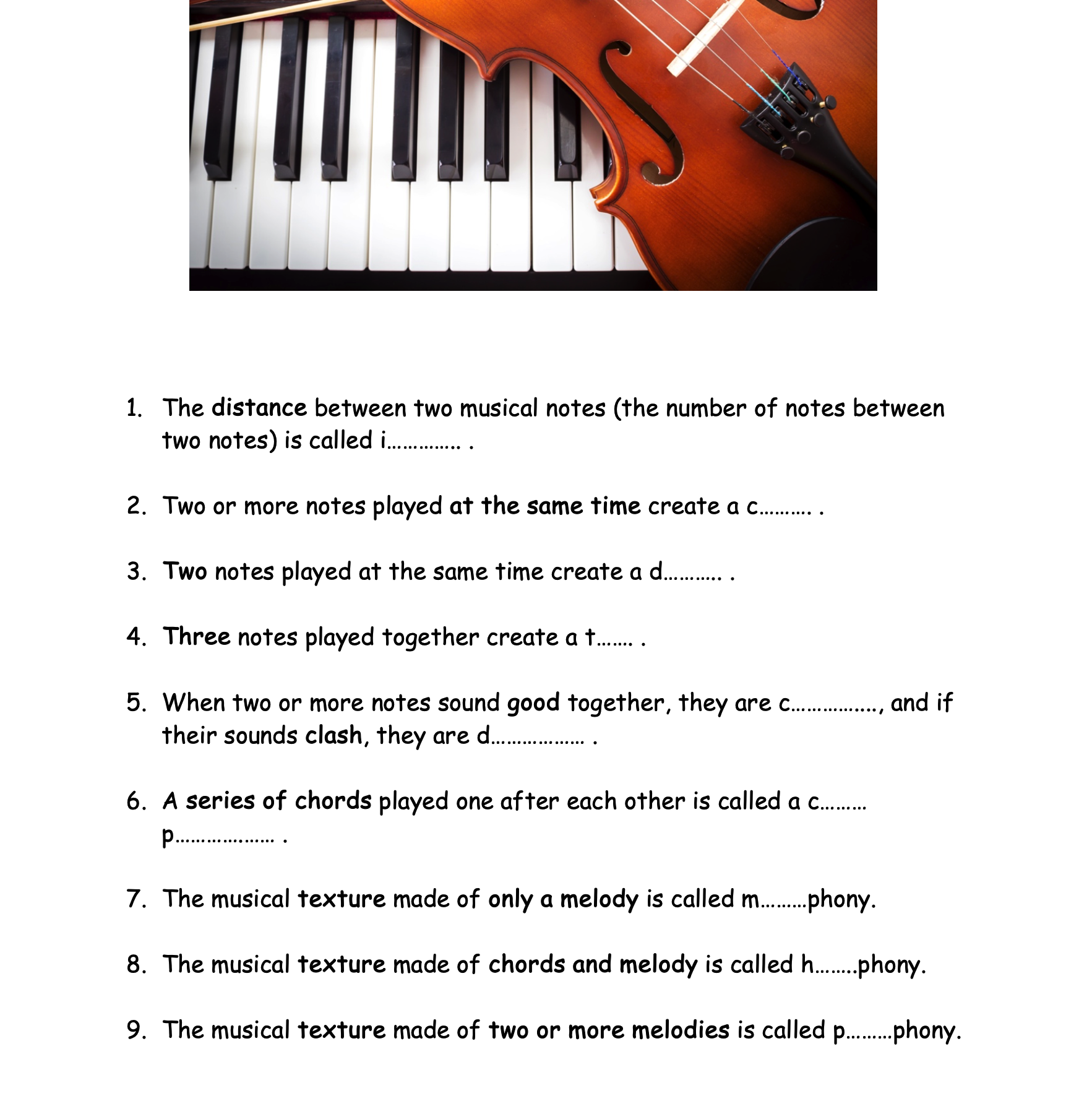
Another aspect is the difference between what you are taught at uni and what actually happens at your particular school. For example, having learnt about the effectiveness of starter activities, I was planning to start my lessons with some engaging activities straight away, before explaining too much to the students. I had actually been trying this approach in my uni tutoring and found it effective. Students engage with the content right away, and it makes the rest of the lesson go more smoothly. However, my supervisor explained that, based on her experience, starting with a clear explanation of the lesson is the best approach. It prevents confusion. This explanation needs to clarify expectations and the connection to the assessment task, so students know why they are doing certain activities. I experienced this firsthand and found it very effective. This might differ from school to school and from year to year, but in my experience, particularly with Year 7 and 8 classes, it worked very well. Even something as simple as a worksheet that visually and clearly explains concepts at the start of a lesson can be effective, so I created a few of them myself, including this one for Year 7 students:
A crucial factor I particularly noticed in my PEx was the importance of considering which period you are teaching: When to teach something is just as important as what to teach. Students get tired as the day goes on, and by the fifth period, you need to be particularly mindful of this when deciding what and how to teach, as well as how to manage your classroom.
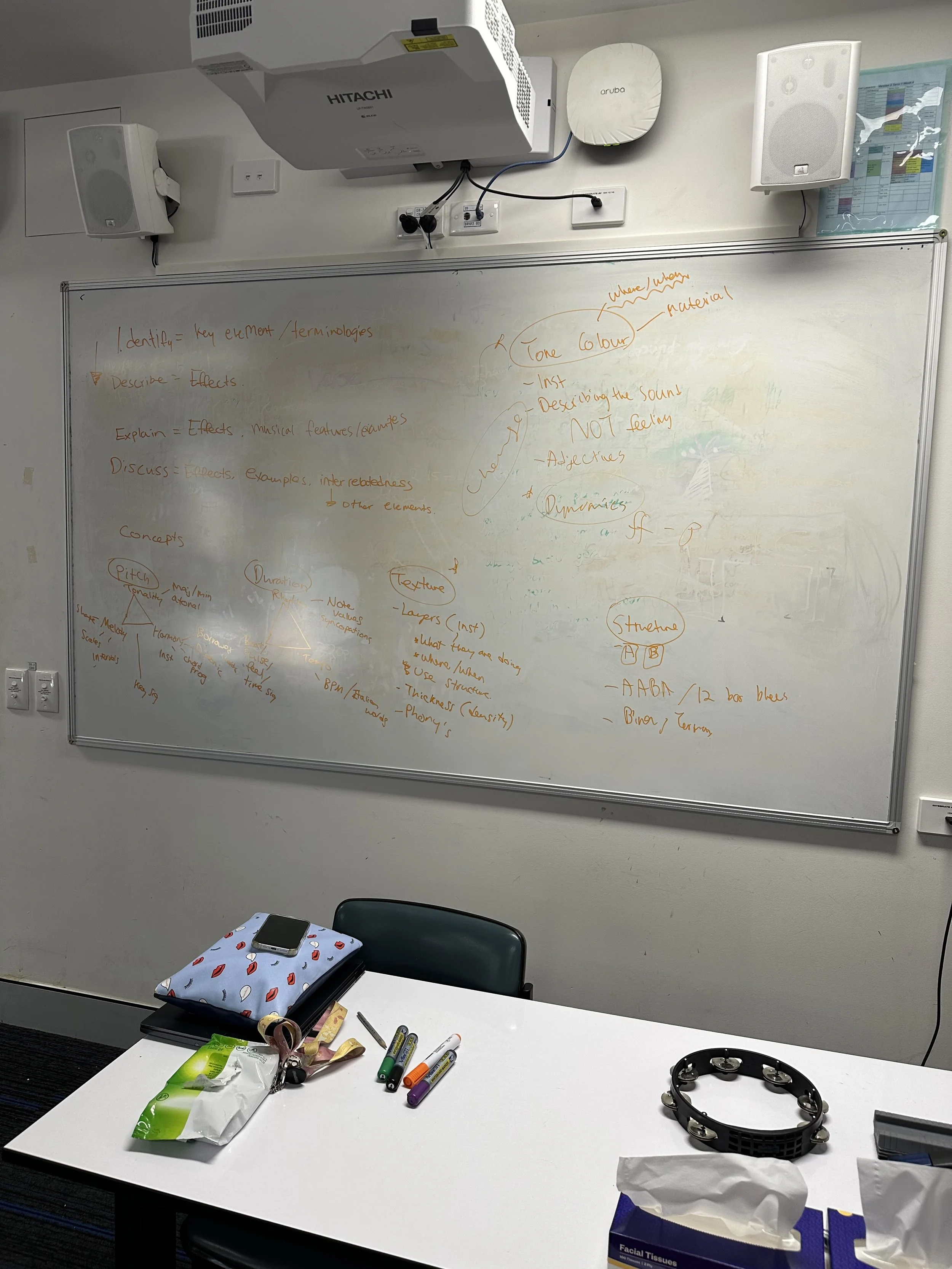
I learnt a lot just by observing my supervisor’s teaching style: very engaging, kind and patient, but at the same time firm and clear. For example, she would create polls to allocate different parts of a score to students, and you could see that the students absolutely loved it. She would explain concepts in a super clear way without overcomplicating things. I have seen some teachers make things unnecessarily complicated, simply because they wanted to be more creative. During Year 12 HSC exam revision, I witnessed my supervisor clearly and patiently unpacking questions and explaining what it means to “identify”, “describe”, “explain”, “discuss”, and so on:
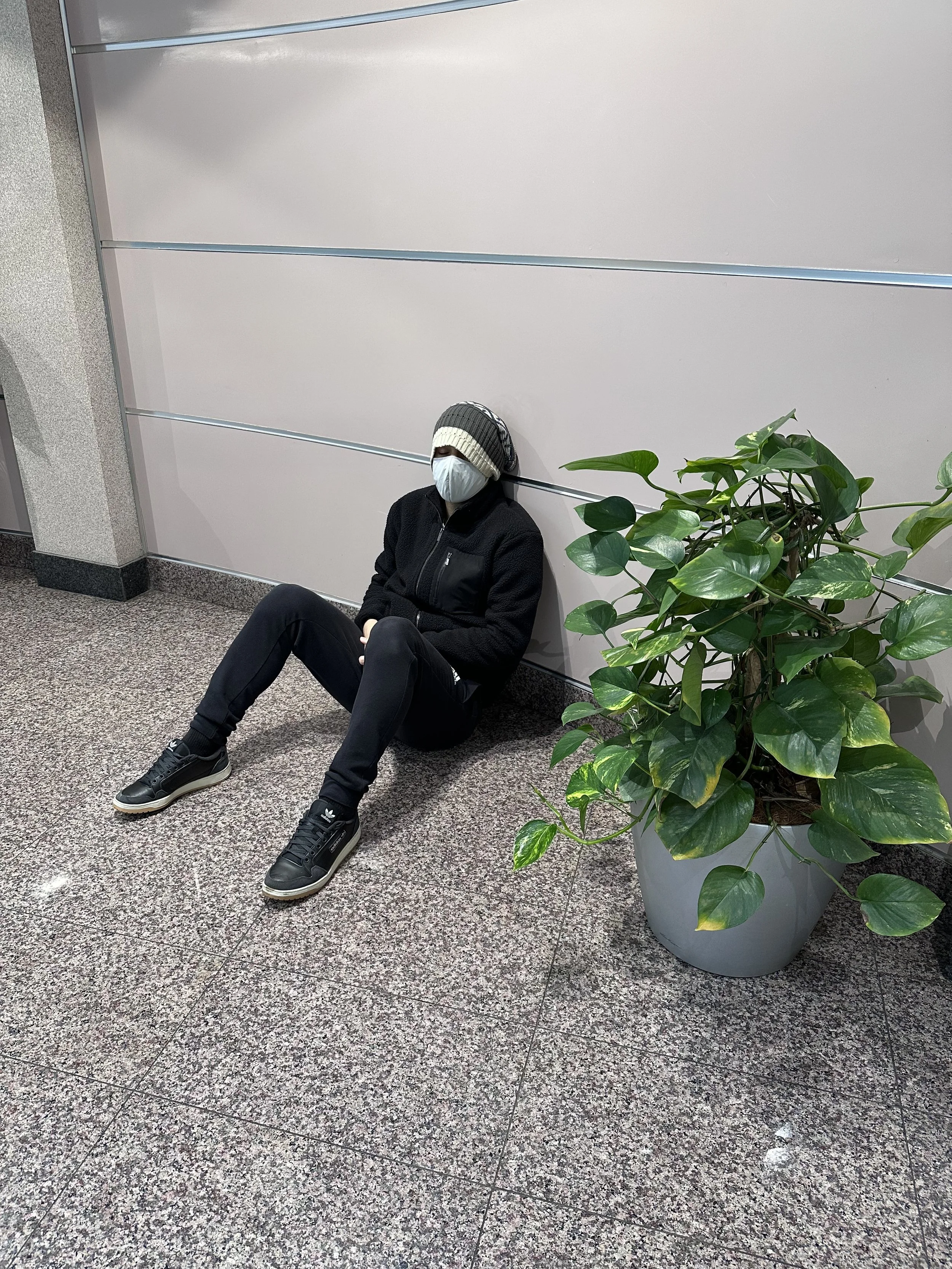
Unfortunately, I caught influenza A halfway through my PEx and missed seven working days. Here is a picture of me at the peak of my illness, waiting to see a GP in Lindfield:
For this reason, I did not get the chance to teach all year groups. I am looking forward to getting back to this table (basically my office!) in the first week of December to complete my PEx:
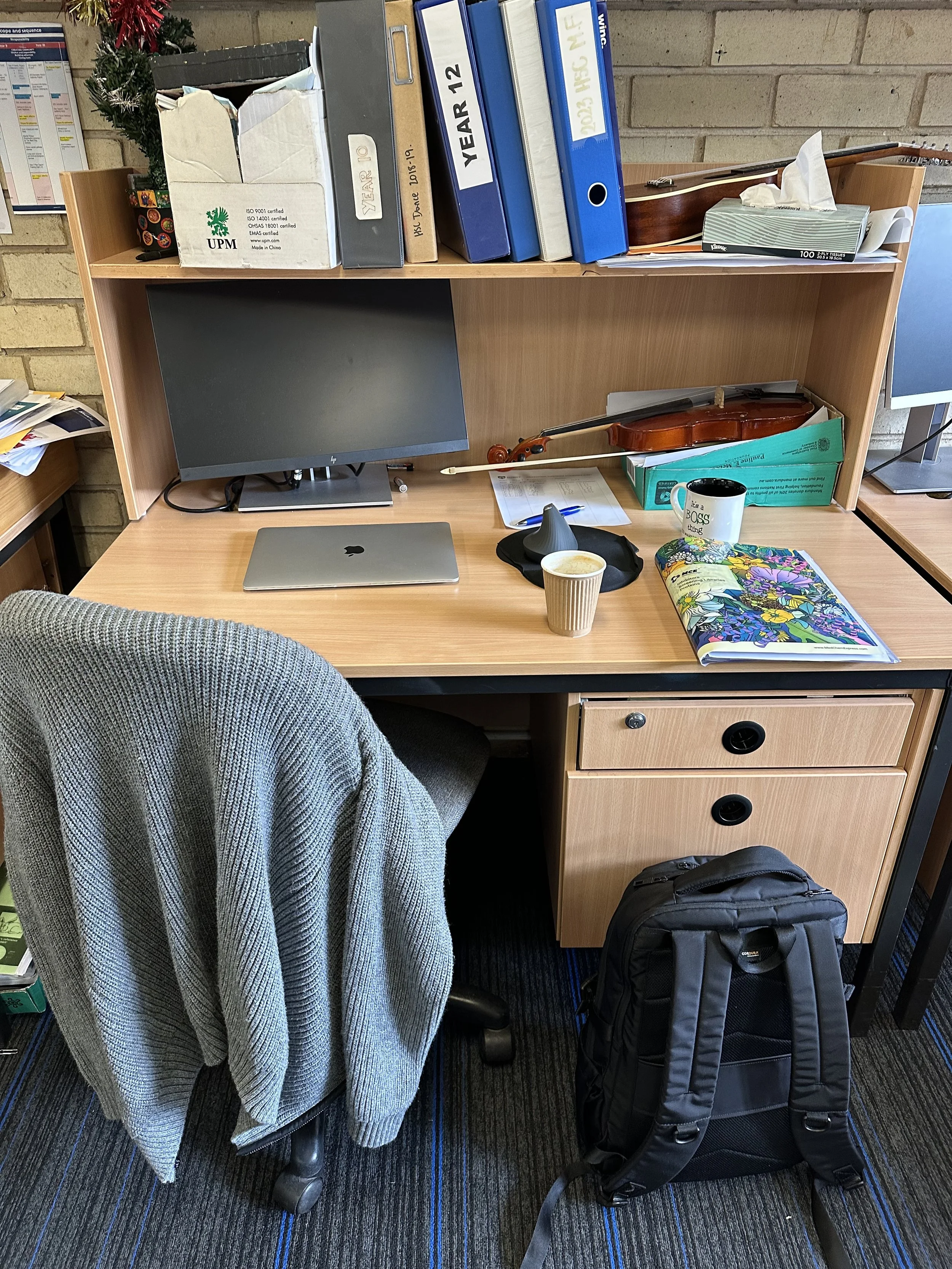
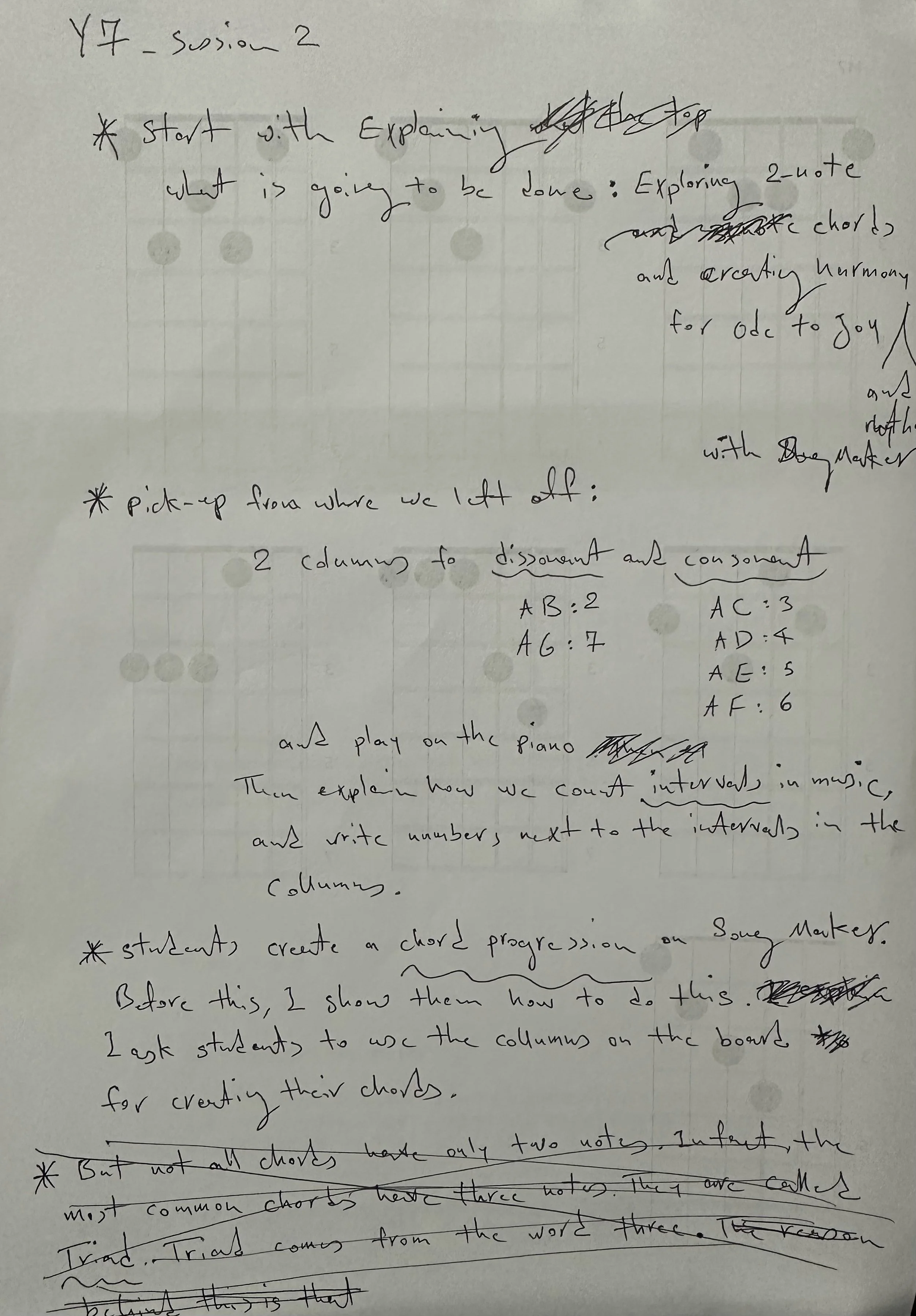
I wrote lesson plans and worked on a lot of teaching materials here. If I was in a rush, I would quickly sketch out my ideas on a piece of paper, like this:
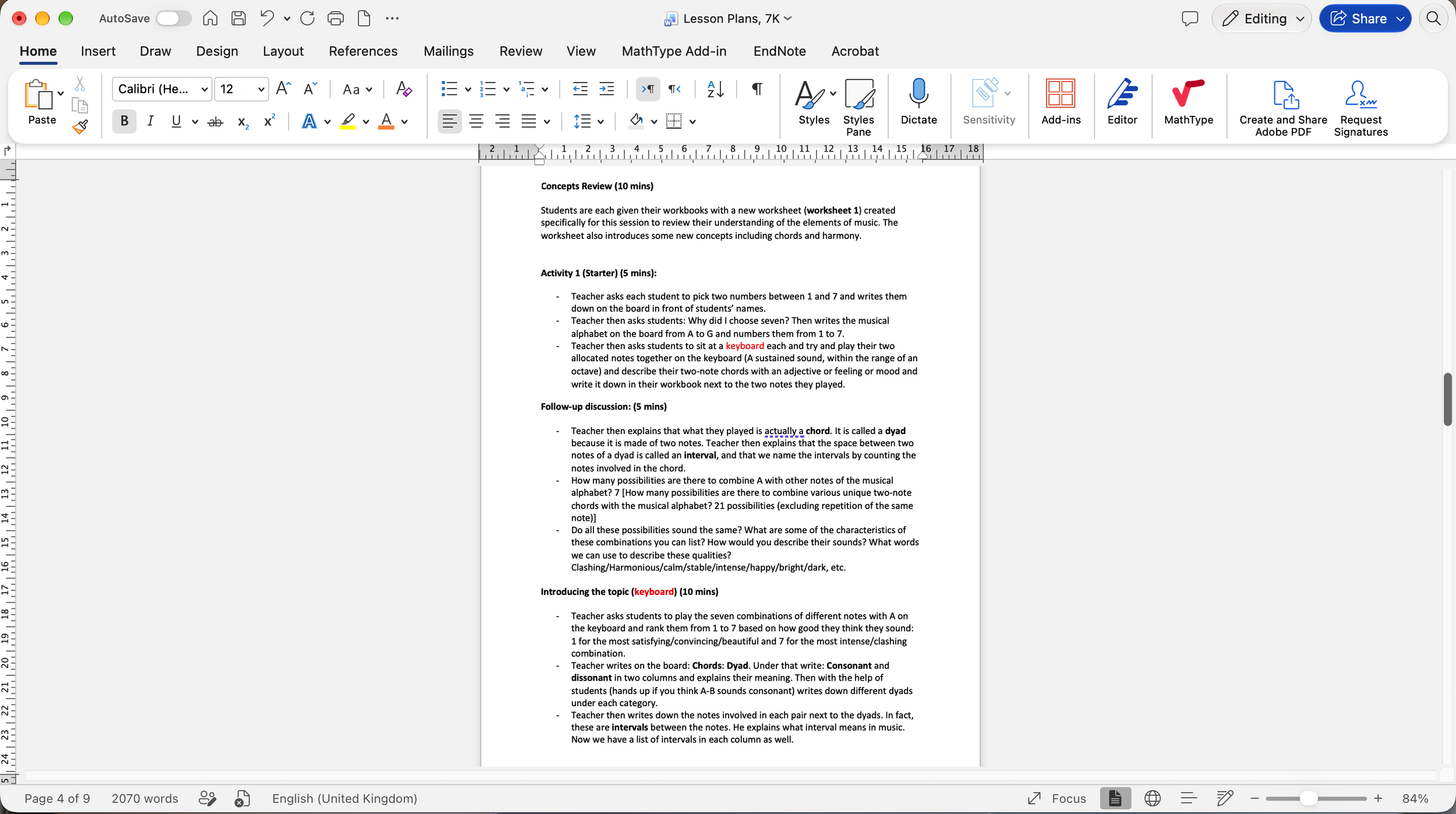
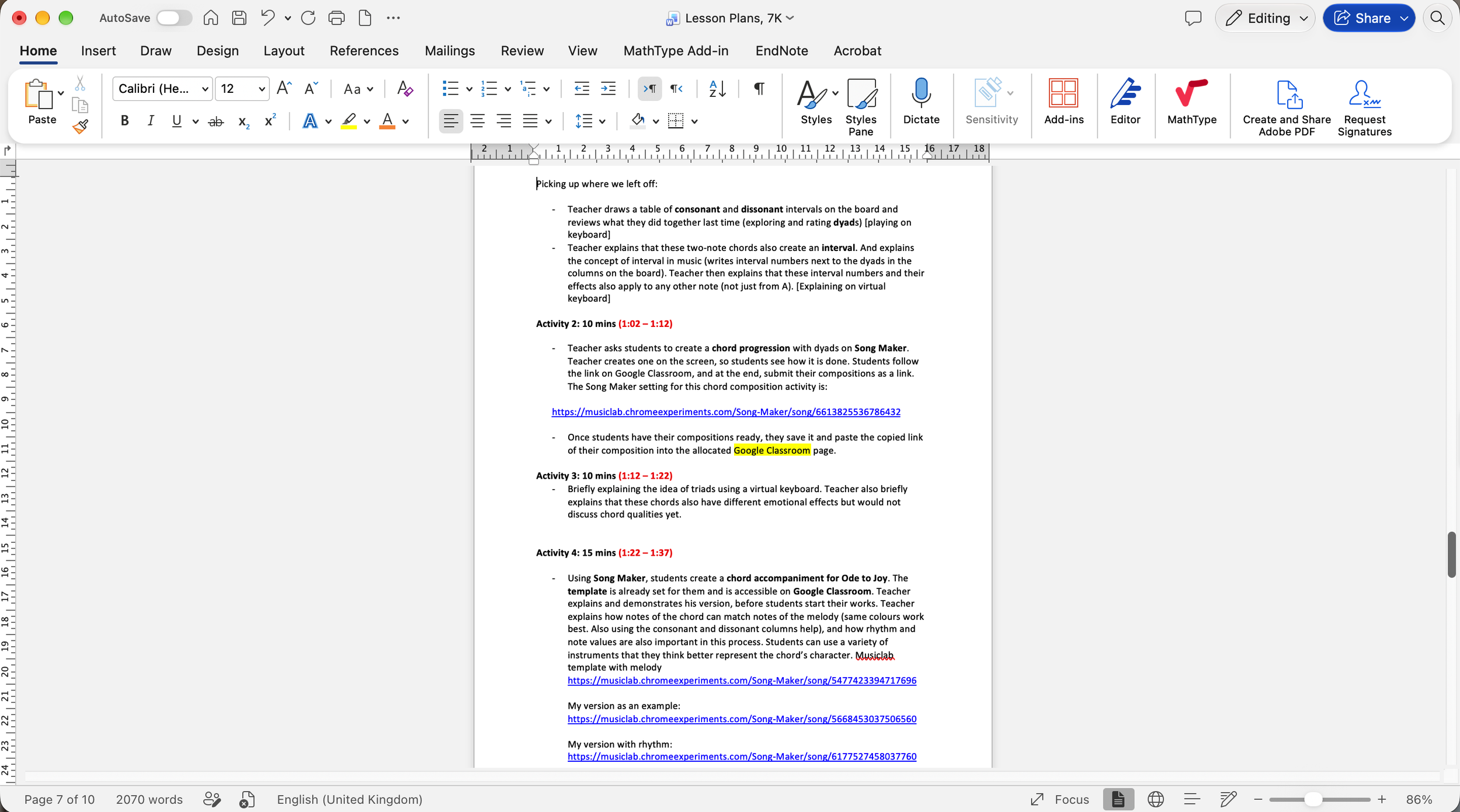
And when I had more time, I would put together clear, step-by-step lesson plans:
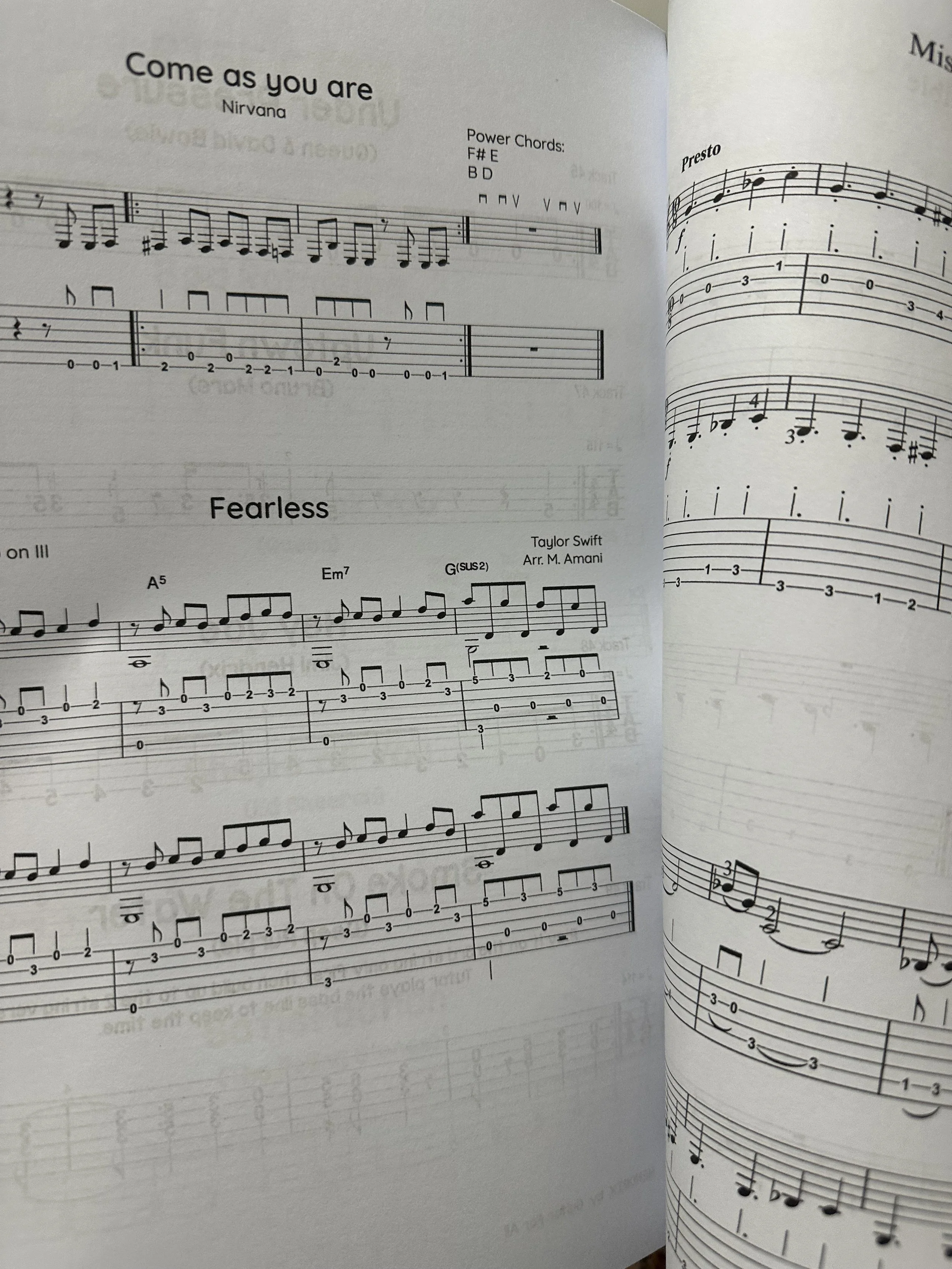
I had many interesting and positive teaching experiences. One of them was creating guitar teaching resources for Year 8 students. This included putting together chord charts and repertoire. It proved to be useful and effective:
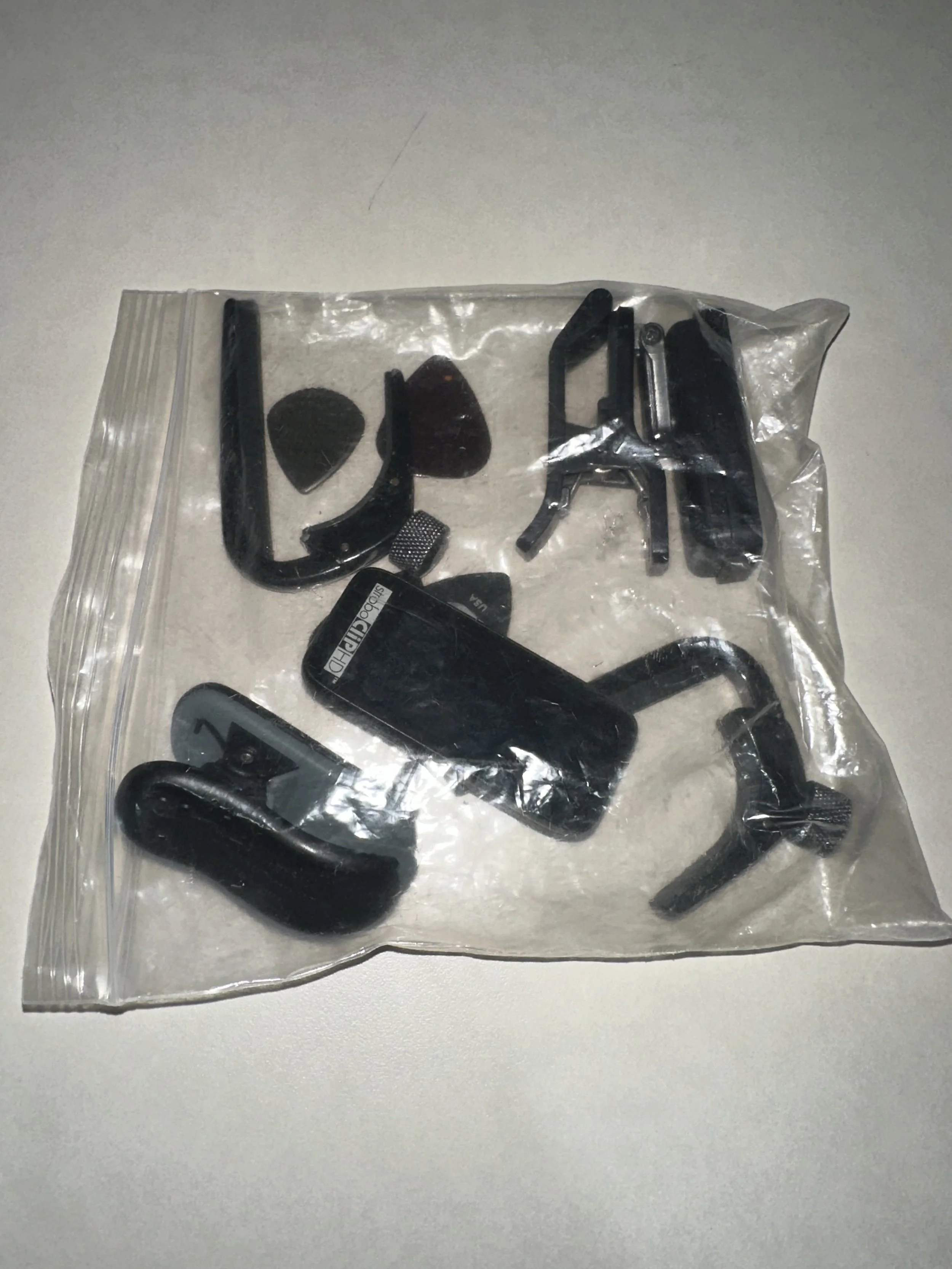
For those lessons, I took a bag of capos, plectrums and tuners with me to class. Not surprisingly, many of my plectrums were never returned to me! :)
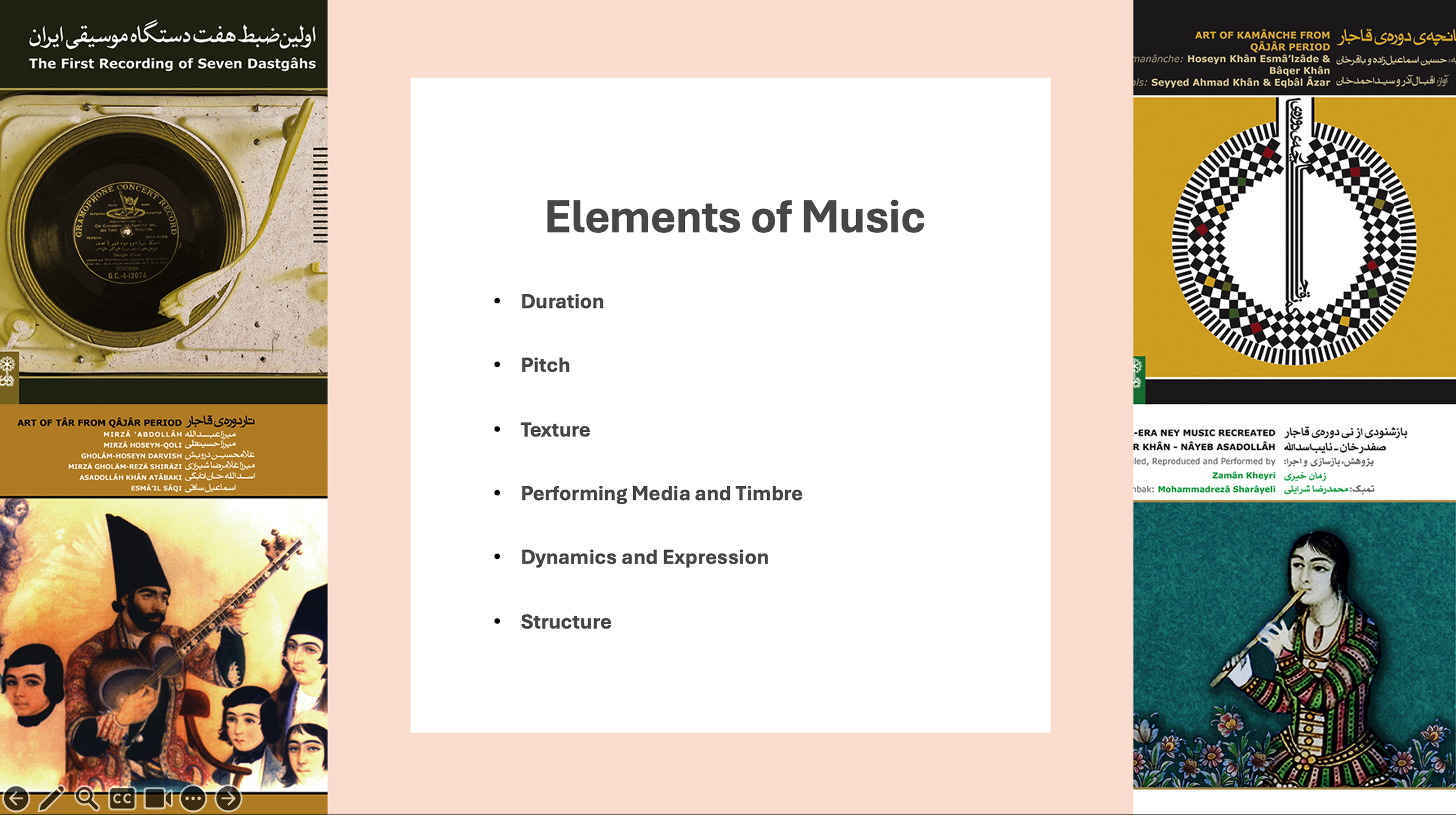
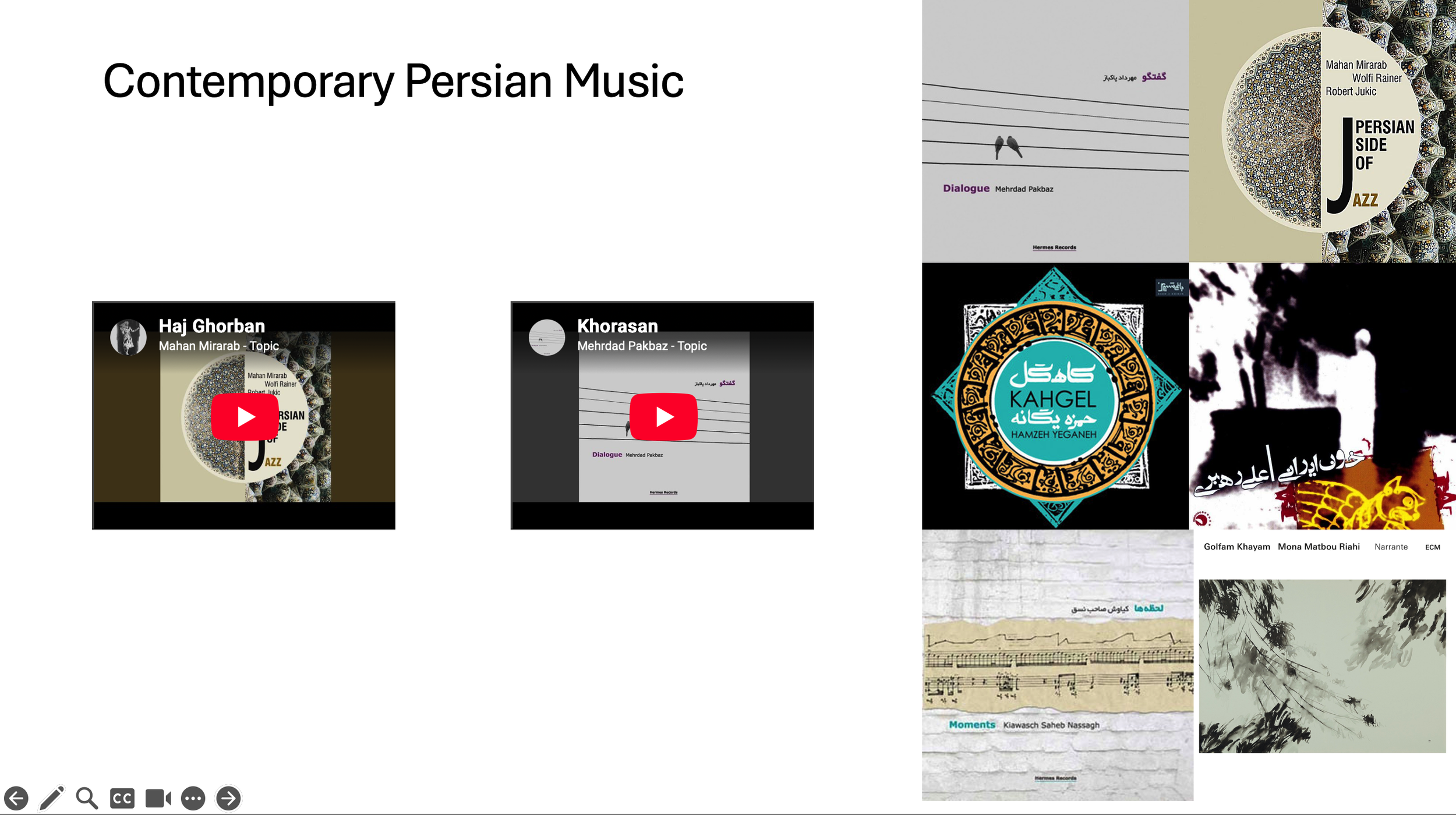
I also got to teach Year 9 students about Persian music and was happy to see that they found it interesting. They then started talking to me about their various backgrounds and musical interests. As I had learnt from my supervisor, I made sure to connect the material as much as possible to what they were learning about manipulating the elements of music in rearrangements:
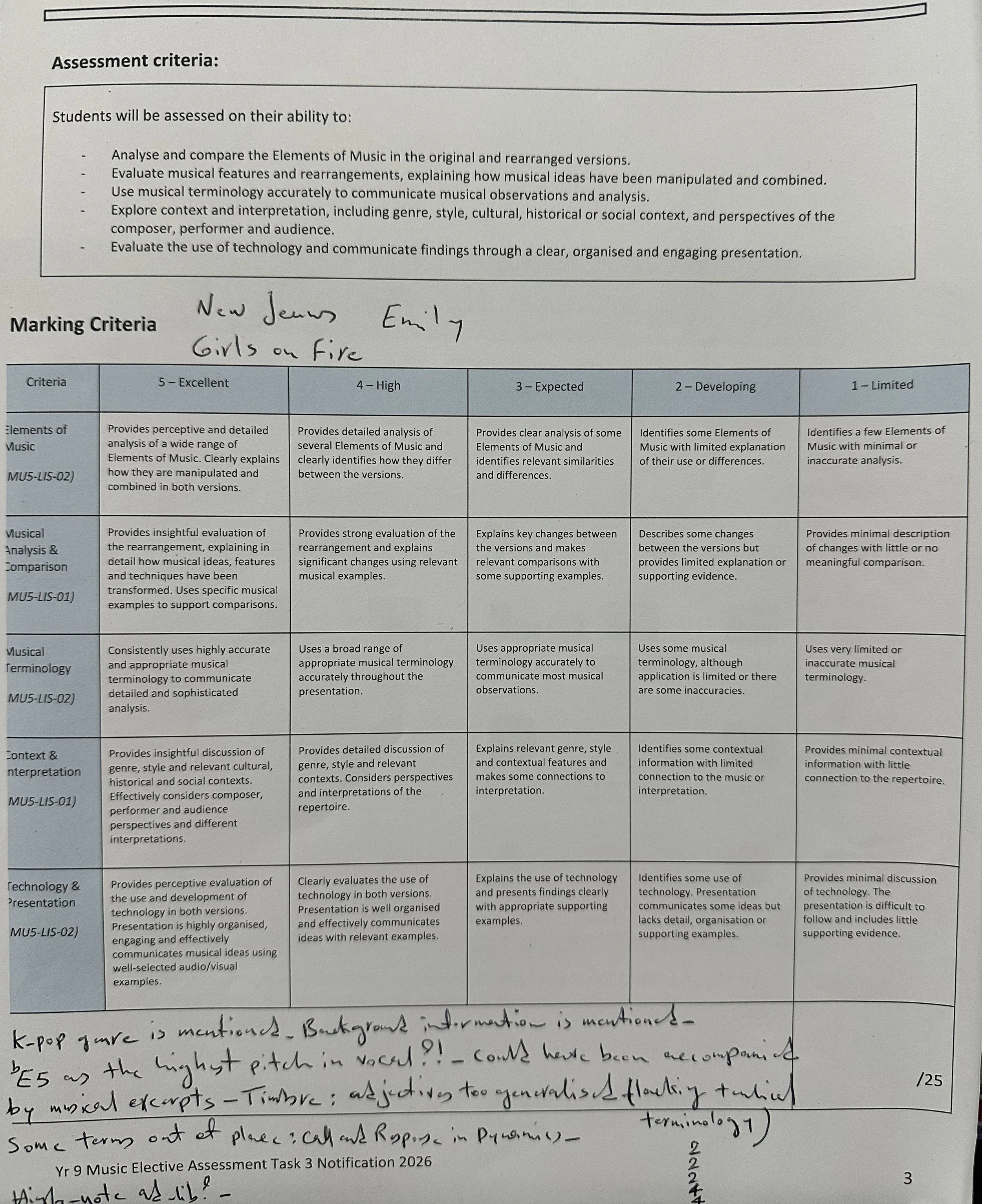
And finally, I got to co-assess student presentations and gain a better understanding of their grasp of the concepts:
Looking back, I learnt a great deal, not only about the culture of teaching in an Australian high school, but also about the many small things that make a difference in the classroom, from planning lessons and preparing resources to understanding student behaviour and finding the right balance between being friendly and setting boundaries.
A shortlist of what I learnt about the school's music culture and teaching approaches, and what they meant for me:
Popular and rock music were dominant: Students would absolutely smash the drum kits and electric guitars whenever they had a chance. Coming from a Western classical music background, I needed to get comfortable with this aspect of school music culture and familiarise myself with it.
Informal learning and teaching: Teaching and playing chords and melodies by ear are important and effective approaches.
Basic piano skills: These can be really helpful in various situations.
Confidence and authority: Both are important qualities for a classroom teacher.
Classroom structure: The physical layout of the classroom has a huge impact on student behaviour. Desks and proper seating help establish structure.
Being upfront with your students: This is very helpful. Students want to be friends with you, make jokes or interact with you in a casual way. It is important to establish boundaries.